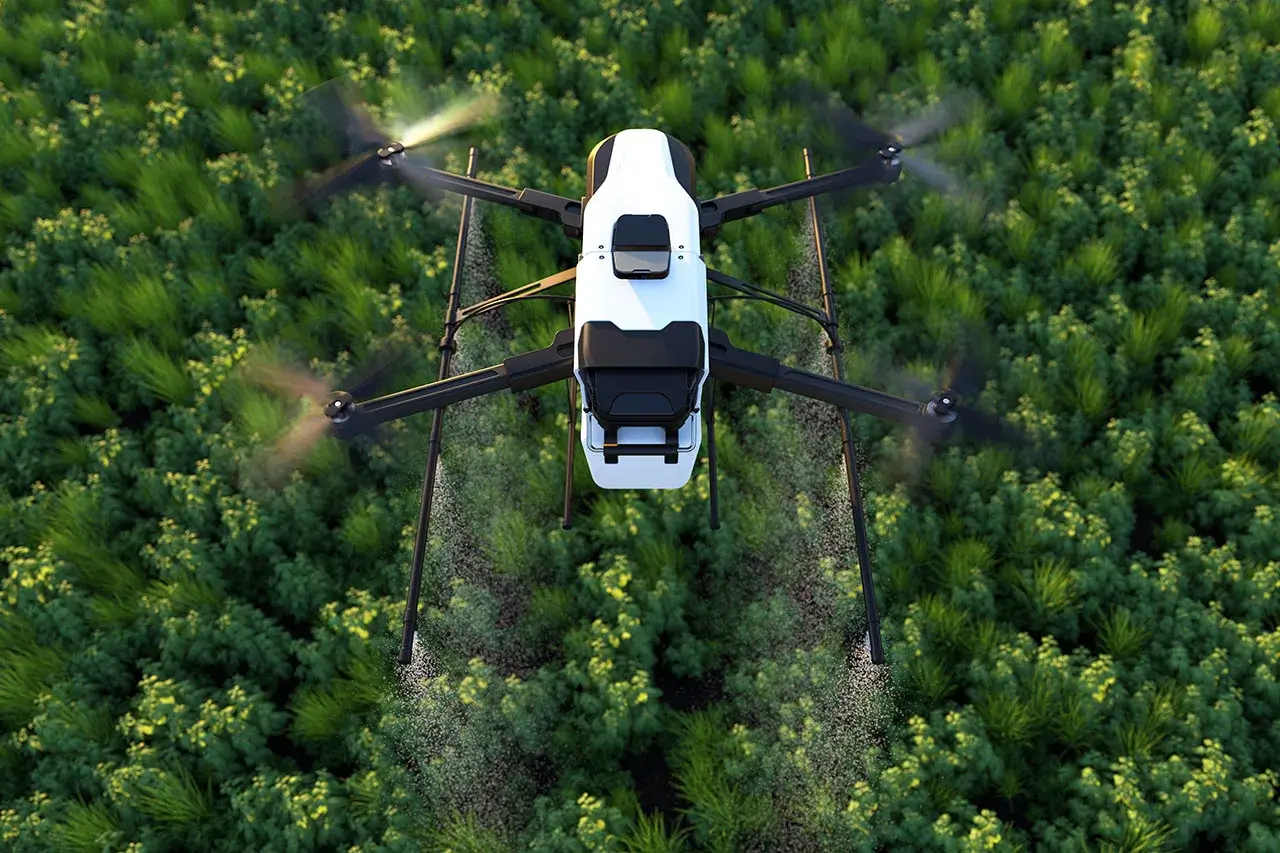
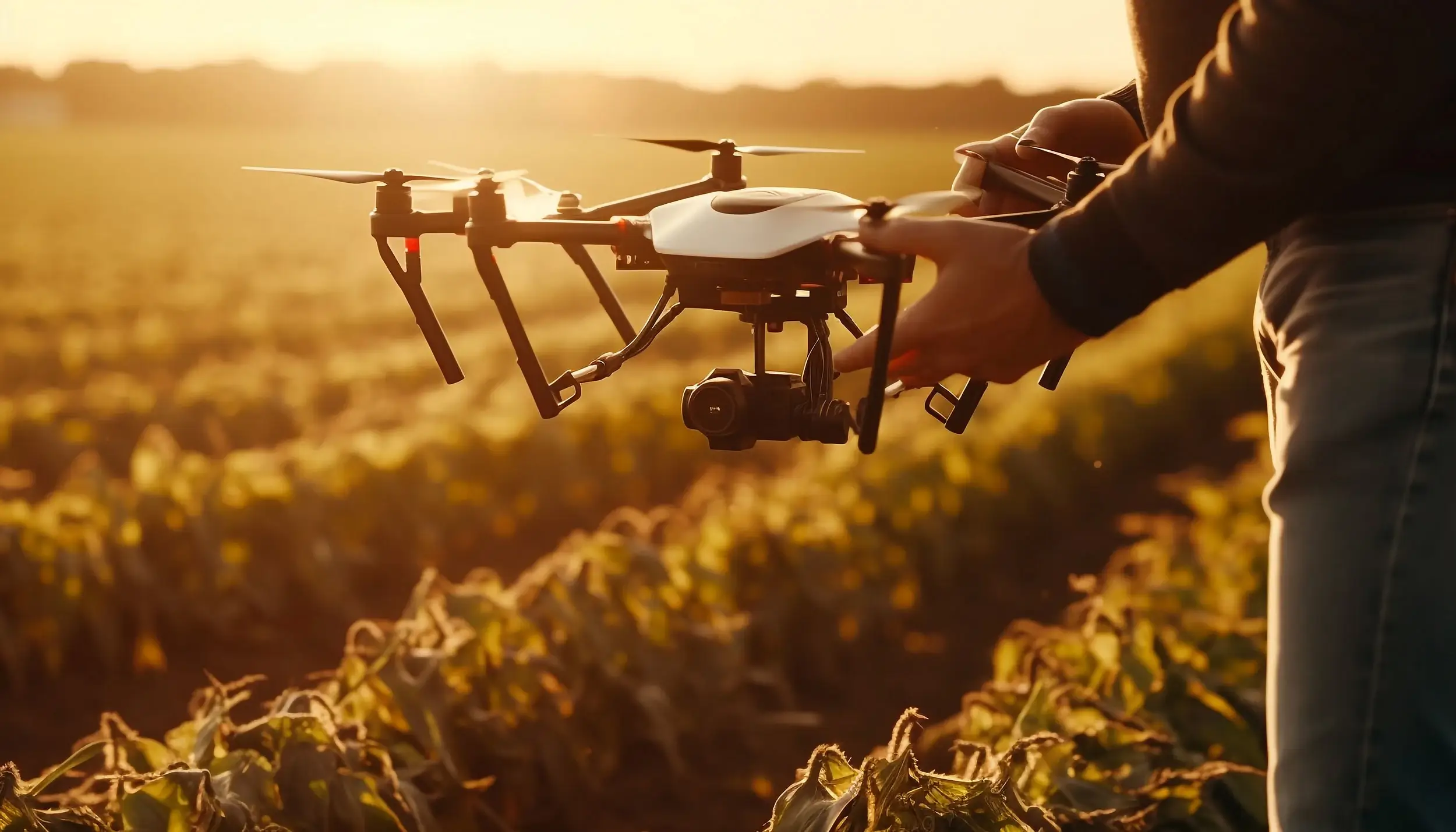
In 2026, organic farming has evolved far beyond the simple avoidance of synthetic chemicals. It has become a high-tech sector where artificial intelligence, biotechnology, and precision engineering converge to optimize natural cycles. The challenge of organic management—achieving high yields without conventional pesticides or fertilizers—is now being met with digital intelligence and ecological innovation.
1. AI-Powered Precision Weeding
Labor-intensive manual weeding has long been the primary cost driver and bottleneck in organic systems. New autonomous solutions are changing this landscape:
Laser Weeding Technology: Utilizing high-resolution computer vision, autonomous robots identify weeds in real-time and neutralize them using thermal energy (lasers). This leaves the soil undisturbed and avoids the “seed bank” disruption caused by traditional tilling.
Intra-row Robotic Cultivation: GPS-guided robots can now navigate within millimeters of a crop’s stem, performing mechanical weeding that was previously only possible by hand. This innovation has reduced organic labor costs by up to 75-80%.
2. Next-Generation Biological Inputs
As synthetic inputs are phased out, biotechnology is stepping in to maximize the soil’s innate potential:
Nano-Encapsulated Biopesticides: Organic botanical extracts and microbial agents are now encapsulated in nano-carriers. This protects them from UV degradation, ensuring that organic treatments remain effective for weeks rather than days.
Specialized Microbial Cocktails: Moving beyond general compost, farmers now use “designer microbes”—strains of bacteria and mycorrhizal fungi specifically selected to unlock phosphorus or fix nitrogen based on the specific mineral profile of that tilled land.
Pheromone Disruption Systems: IoT-connected dispensers release species-specific pheromones that prevent pests from mating, providing a non-toxic shield over hundreds of acres.
3. Digital Twins and Predictive Analytics
The “Digital Twin” technology allows organic managers to create a virtual replica of their farm to run simulations before ever touching the soil.
Predictive Pest Modeling: By integrating satellite imagery with local sensor data, AI models can now predict pest outbreaks 7–10 days before they occur. This allows organic farmers to deploy “beneficial insects” or trap crops exactly when and where they are needed.
Nutrient Flow Simulations: Digital twins help calculate the precise mineralization rate of organic matter, telling farmers exactly when the soil will release nitrogen to the plants, thus preventing nutrient leaching.
4. Regenerative Integration & Carbon Sequestration
Modern organic management is shifting from “sustaining” to “regenerating” the environment:
Biochar Integration: The application of biochar (carbonized organic waste) is becoming a standard practice. It acts as a “permanent sponge” for nutrients and water while sequestering carbon in the soil for centuries.
Smart Cover Cropping: Sensors now monitor real-time soil health to recommend the perfect “cocktail” of cover crops (e.g., vetch, clover, and radish) to fix specific nutrient deficiencies detected after the main harvest.
5. Blockchain for “Farm-to-Fork” Transparency
Trust is the currency of the organic market. Blockchain technology ensures that “organic” is more than just a label:
Real-Time Verification: Every biological input, soil test result, and harvest date is recorded on an immutable ledger.
Consumer Engagement: By scanning a QR code, consumers can view the entire lifecycle of their food, including the specific regenerative practices used to grow it, boosting brand loyalty and justifying premium pricing.
Industry Insight 2026: Farms utilizing AI-driven organic management systems have reported a 15-20% increase in yield compared to traditional organic methods, effectively closing the “yield gap” between organic and conventional farming.
Conclusion
Innovations in organic crop management are bridging the gap between "natural" and "efficient." By leveraging robotics and biotechnology, organic farming is no longer a niche alternative; it is a sophisticated, high-performance solution for global food security that protects the planet while feeding its people.
- Smart Solutions for Modern Farmers
- Harvesting Change for a Better Future